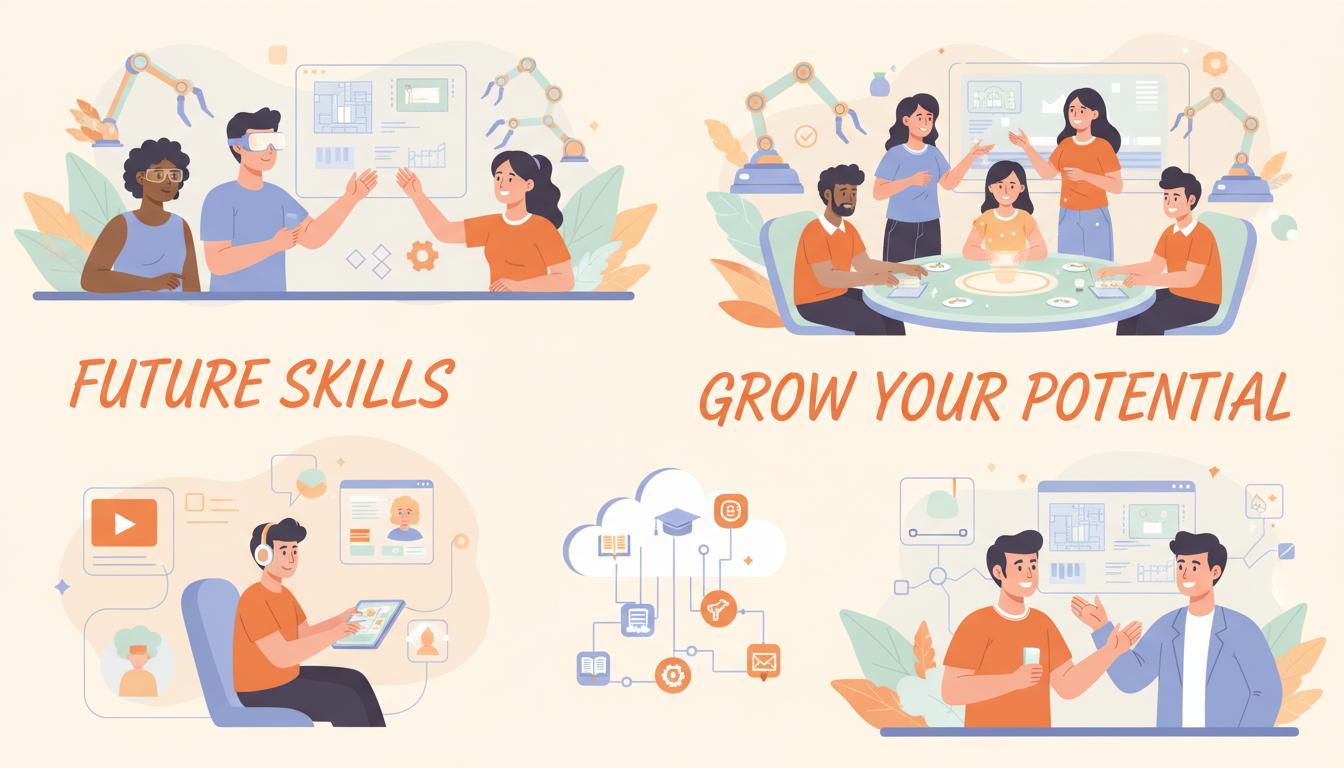
Digital transformation is no longer just a buzzword; it's a survival strategy. In 2026, the gap between digitally native companies and traditional ones is widening at an unprecedented rate. This guide explores the essential strategies, technologies, and implementation roadmaps for businesses aiming for global success.
Executive Summary: Experiencing the Shift
The business landscape of 2026 is defined by hyper-connectivity, AI-driven decision-making, and customer expectations for instant gratification. Digital Transformation (DX) is the profound transformation of business and organizational activities, processes, competencies, and models to fully leverage the changes and opportunities of a mix of digital technologies and their accelerating impact across society in a strategic and prioritized way.
What is Digital Transformation in 2026?
In the past, "digital" meant having a website or an app. Today, it means integrating technology into every vein of the business. It involves a fundamental shift in how you operate and deliver value to customers. It is a cultural change that requires organizations to continually challenge the status quo, experiment, and get comfortable with failure.
Key Pillars of Success
Successful transformation relies on several core pillars. Neglecting one can lead to the failure of the entire initiative.
1. Customer Experience (CX)
Today's customers expect seamless, personalized interactions across all channels. They want you to know them, understand them, and anticpate their needs.
- Hyper-Personalization: Using AI to analyze customer behavior and predict needs before they are expressed.
- Omnichannel Consistency: Ensure a seamless transition between mobile apps, social media, web, and physical stores.
- 24/7 Availability: Deploying intelligent chatbots and self-service portals that resolve issues instantly.
2. Operational Agility
The ability to respond quickly to market changes (volatility, uncertainty, complexity, and ambiguity) is crucial. Use modular software architectures (Microservices) to pivot usage without rewriting entire systems.
3. Culture and Workforce
Technology is useless without the people to use it. A digital culture fosters experimentation, continuous learning, and collaboration. Upskilling employees in data literacy and AI tools is a top priority for executives. You must move from a "fail-avoidant" culture to a "fail-fast-and-learn" culture.
Top Digital Transformation Trends for 2026
Generative AI Integration
Generative AI is not just for creating text or images; it's being used to generate code, simulate business scenarios, and design products. Companies are building private LLMs (Large Language Models) trained on their own proprietary data to gain a unique competitive edge.
Sustainability Technology (Green Tech)
Digital transformation is now intrinsically linked with sustainability. IoT sensors monitor energy usage in real-time, optimizing logistics to reduce carbon footprints. Consumers demand transparency, and blockchain supply chains are proving the origin of sustainable products.
Cybersecurity Mesh
With remote work and distributed clouds, the traditional "security perimeter" is gone. Cybersecurity mesh architecture provides a flexible, composable approach that integrates widely distributed and disparate security services.
Common Challenges and Pitfalls
Despite the hype, many DX initiatives fail. Here is why:
- The "Shiny Object" Syndrome: Adopting new tech just because it's trendy, without a clear business use case.
- Siloed Data: When marketing, sales, and operations don't share data, you get a fragmented view of the customer.
- Legacy Systems: Old, monolithic software that cannot integrate with modern APIs.
- Resistance to Change: Employees fearing job loss or struggling to adapt to new workflows.
A 90-Day Implementation Roadmap
How do you eat an elephant? One bite at a time. Here is a quarterly approach to getting started.
Phase 1: Discovery & Vision (Days 1-30)
- Audit: Assess current IT infrastructure and digital maturity.
- Interview: Talk to frontline employees and customers to identify pain points.
- Vision: Define what "digital success" looks like for your specific industry.
Phase 2: Pilot execution (Days 31-60)
- Select a Pilot: Choose a low-risk, high-reward project (e.g., automating invoice processing).
- Assemble a Team: Create a cross-functional "tiger team" of developers, designers, and business analysts.
- Execute: Build a Minimum Viable Product (MVP).
Phase 3: Review & Scale (Days 61-90)
- Measure: Did the pilot save time? Money? Improve satisfaction?
- Iterate: Fix bugs and improve the process based on feedback.
- Roadmap: Plan the rollout to other departments.
Measuring Success: Key KPIs
Don't just measure "outputs" (like launching an app); measure "outcomes."
- Digital Adoption Rate: What % of customers use digital channels?
- Time-to-Market: How fast can you launch new products?
- Employee Productivity: Revenue per employee after automation.
Conclusion
Digital transformation is a marathon, not a sprint. By focusing on customer value, empowering your workforce, and leveraging the right technologies, your business can thrive in the digital economy of 2026. Start small, think big, and move fast.

Samuel is a technology educator and web strategist with 8+ years of experience helping developers, students, and creators navigate the digital world with practical, beginner-friendly guides.