Smart Financial Planning: Insurance & Loan Basics for Beginners
Introduction to Personal Finance
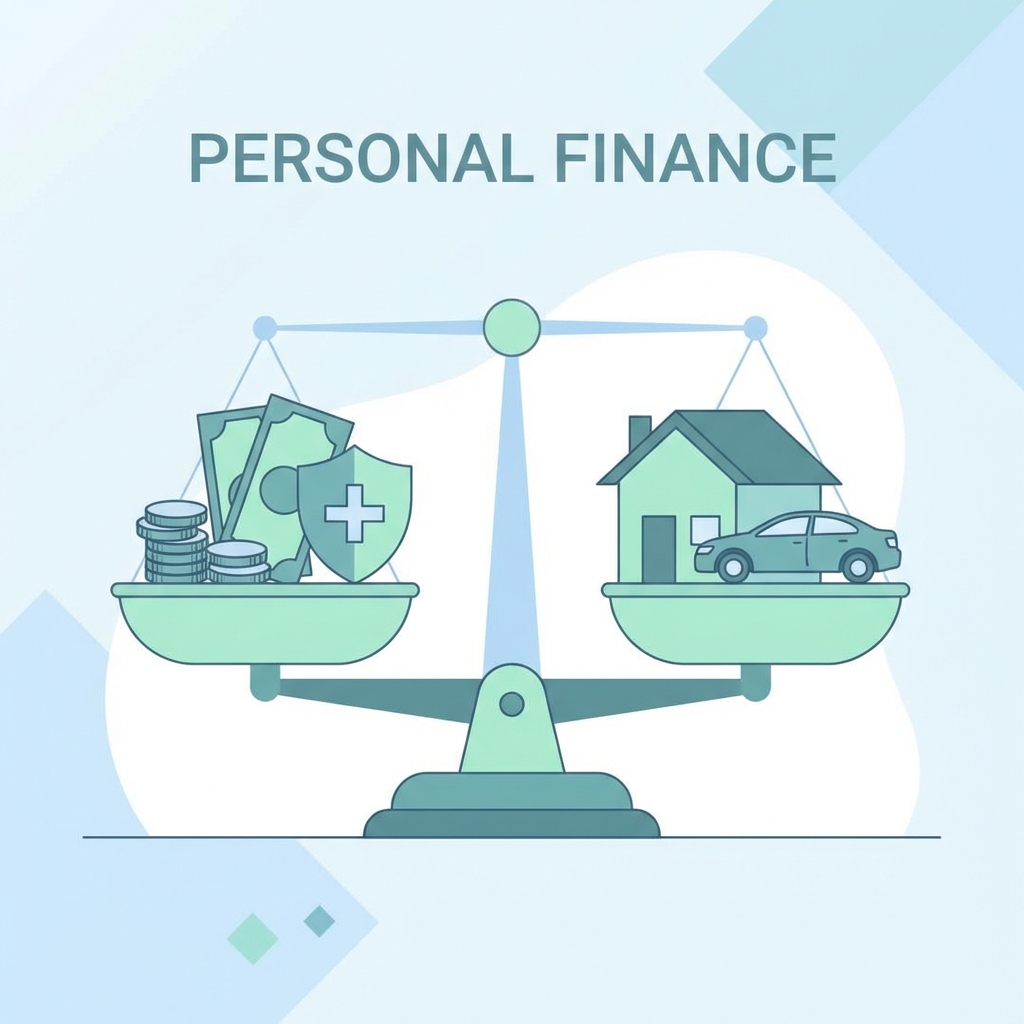
Personal finance is about meeting your personal financial goals, whether it’s having enough for short-term financial needs, planning for retirement, or saving for your child’s college education. It all depends on your income, expenses, living requirements, and individual goals and desires—and coming up with a plan to fulfill those needs within your financial constraints.
Understanding Insurance: Protection First
Insurance is a critical component of any sound financial plan. It transfers the risk of financial loss from you to an insurance company. Here are the key types you should know:
1. Health Insurance
Perhaps the most important. It covers medical expenses for illnesses, injuries, and other health conditions. Medical bills can be devastatingly high, making this non-negotiable.
2. Life Insurance
Essential if you have dependents. It provides financial support to your family in the event of your death. Term life insurance is often the most affordable and straightforward option for beginners.
3. Auto Insurance
Mandatory in most places if you own a car. It covers damage to your vehicle and liability for injuries or damage to others.
Demystifying Loans: Borrowing Smart
Loans allow you to borrow money now and pay it back later, usually with interest. Understanding the types of loans can help you avoid debt traps.
Mortgages
A loan specifically for buying real estate. The property itself serves as collateral. Common terms are 15 or 30 years. Fixed-rate mortgages offer stability as your interest rate never changes.
Personal Loans
Unsecured loans that can be used for almost anything—debt consolidation, home improvements, or medical bills. Interest rates vary widely based on your credit score.
Student Loans
Designed to help pay for post-secondary education and associated fees, such as tuition, books and supplies, and living expenses.
Key Takeaways
- Budgeting: The foundation. Know what comes in and what goes out.
- Emergency Fund: Aim for 3-6 months of expenses in a savings account.
- Credit Score: Protect it. It determines your ability to get loans and the rates you pay.
Financial freedom isn't about being rich; it's about having control over your finances. Start small, stay consistent, and educate yourself continually.