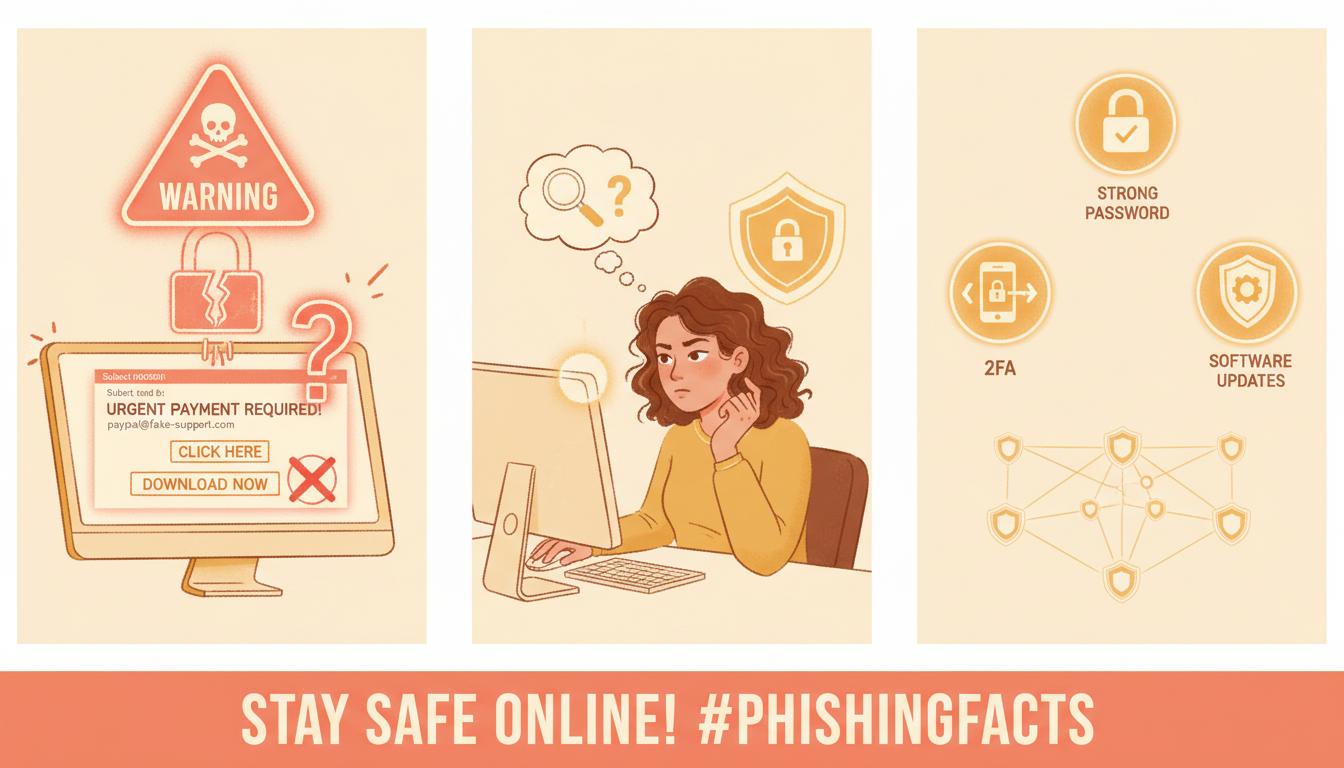
The internet offers amazing opportunities, but it also harbors risks. In 2026, scammers are using advanced technology like deepfakes and AI voice cloning to deceive even the most tech-savvy victims. Staying safe means staying informed and vigilant.
The New Era of AI Scams
Forget the "Nigerian Prince" emails of the past. Today's scams are personalized, sophisticated, and terrifyingly real.
1. AI Voice Cloning (The "Grandparent Scam")
Scammers can now clone a person's voice from a 3-second TikTok video. They then call that person's parents or grandparents, claiming to be in jail or the hospital, begging for money. Defense: Establish a "Safe Word" with your family that only you know. If they can't say it, hang up.
2. Deepfake Investment Scams
You see a video on YouTube of Elon Musk or a famous news anchor promoting a new cryptocurrency platform. It looks 100% real. It's not. AI deepfakes are used to lure victims into fake investment sites that steal deposits.
3. Romance Scams (Pig Butchering)
This long-con scam involves building a relationship with a victim over months. The scammer (often an attractive profile) eventually mentions a "great investment opportunity" and helps the victim engage. Once the victim invests their life savings, the scammer vanishes.
Demographic-Specific Risks
For Seniors
- Tech Support Fraud: A popup says "Your Computer is Infected! Call Microsoft." Real tech companies never ask you to call them via a popup.
- Medicare Scams: Calls claiming you need a new card or have unpaid bills.
For Teens & Gamers
- Free Skin/Currency Generators: Sites promising free V-Bucks or Robux are phishing for account passwords.
- Sextortion: Scammers convince teens to send explicit photos, then blackmail them.
Red Flags: The "S.C.A.M." Test
Before you click or pay, run this mental checklist:
- S - Sudden Urgency: "Act now or go to jail!" Scammers destroy your critical thinking with fear.
- C - Contact is Unexpected: Did they call you? A bank will never call you to ask for your password.
- A - Asking for Odd Payment: Gift cards, Bitcoin, or Wire Transfers are non-refundable. Legitimate businesses don't ask for iTunes cards.
- M - Messages contain errors (sometimes): While AI is good, sometimes odd phrasing or generic greetings ("Dear Customer") are slip-ups.
Proactive Protection Steps
- Freeze Your Credit: Go to Equifax, Experian, and TransUnion. Freezing your credit is free and stops identity thieves from opening loans in your name.
- Use a Password Manager: 80% of hacks happen due to reused passwords. Use Bitwarden or 1Password.
- Enable 2FA (YubiKey): SMS 2-factor can be hacked (SIM swapping). Use an app like Google Authenticator or a physical YubiKey for banking.
What to Do If You've Been Scammed
Shame is the scammer's best friend. Don't hide it.
- Contact Your Bank: Immediately. Sometimes wires can be reversed if caught within hours.
- Report It: File a report with the FTC (USA) or your local cybercrime unit.
- Scan for Malware: If you downloaded something, disconnect your internet and run a virus scan.
Conclusion
You don't need to be afraid of the internet, but you do need to be smart. Verification is your superpower. By taking a moment to think before you click, you can enjoy the digital world safely.