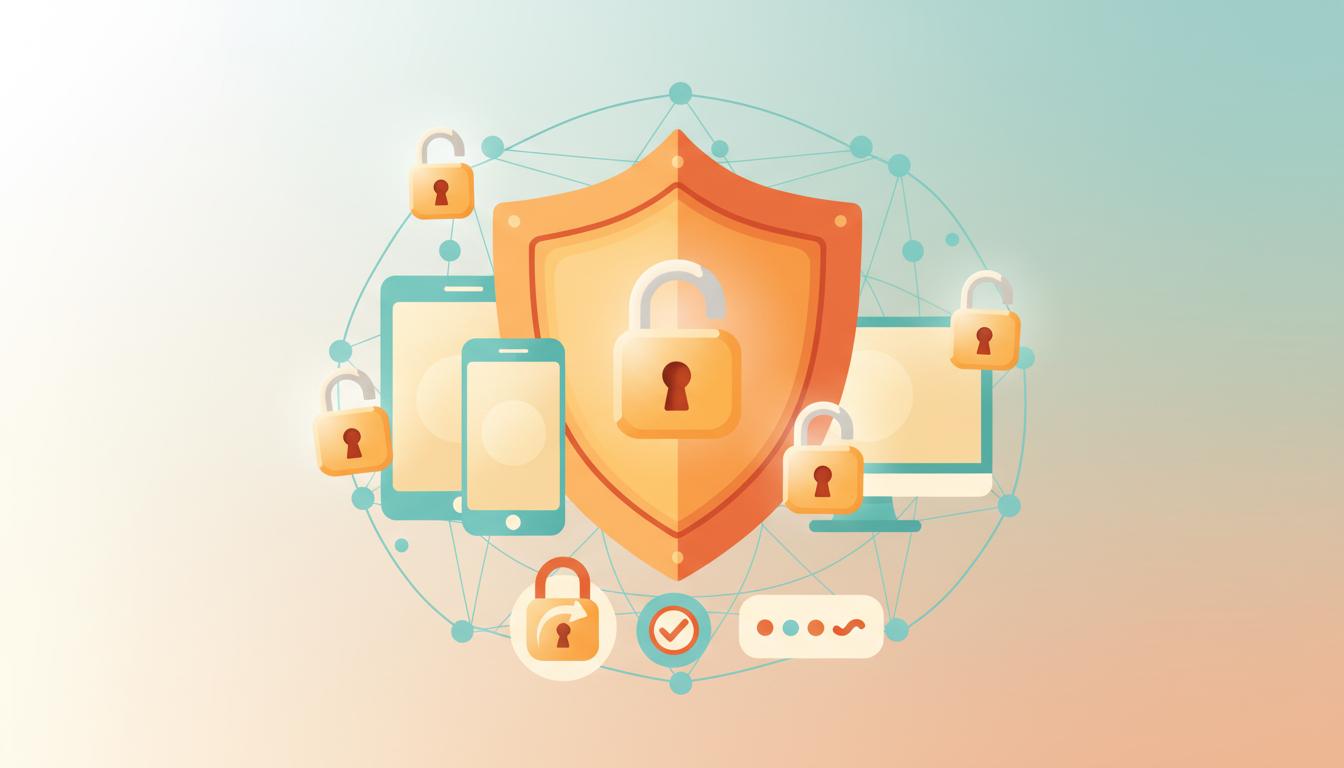
The internet offers incredible opportunities for learning, connecting, and entertainment, but it also comes with risks. Understanding how to protect yourself online is essential for everyone who uses digital devices and the internet.
Why Online Safety Matters
Every day, millions of people fall victim to online scams, identity theft, and privacy breaches. The good news is that most of these incidents can be prevented with basic knowledge and good habits.
Online threats include:
- Identity theft and financial fraud
- Malware and viruses
- Phishing scams and fake websites
- Privacy violations and data breaches
- Cyberbullying and harassment
Password Security
Create Strong Passwords
Your passwords are your first line of defense. A strong password should be:
- At least 12 characters long
- Include uppercase and lowercase letters
- Contain numbers and special characters
- Avoid personal information like birthdays or names
- Be unique for each account
Password Examples:
Weak: password123, john1985, qwerty
Strong: M7$kL9#nP2@x, Tr33s&Sun$4me, B1ue$ky#2026!
Use a Password Manager
Password managers help you create and store unique, strong passwords for all your accounts. Popular options include:
- 1Password
- LastPass
- Bitwarden
- Dashlane
Enable Two-Factor Authentication
Two-factor authentication (2FA) adds an extra layer of security by requiring a second form of verification, such as:
- Text message codes
- Authentication apps (Google Authenticator, Authy)
- Hardware security keys
- Biometric verification
Safe Browsing Practices
Verify Website Security
Before entering personal information, check that websites are secure:
- Look for "https://" in the URL (not just "http://")
- Check for a padlock icon in the address bar
- Verify the website's spelling and domain name
- Be cautious of shortened URLs
Keep Software Updated
Regular updates protect you from security vulnerabilities:
- Enable automatic updates for your operating system
- Keep your web browser current
- Update antivirus software regularly
- Install app updates promptly
Use Reputable Antivirus Software
Good antivirus programs protect against malware, viruses, and other threats. Consider:
- Windows Defender (built into Windows)
- Norton
- McAfee
- Bitdefender
- Kaspersky
Email Safety
Recognize Phishing Emails
Phishing emails try to trick you into revealing personal information. Warning signs include:
- Urgent language ("Act now!" "Limited time!")
- Requests for personal information
- Suspicious sender addresses
- Poor grammar and spelling
- Unexpected attachments or links
?? Red Flags in Emails:
- "Your account will be closed unless you verify immediately"
- "You've won a prize! Click here to claim"
- "Urgent: Update your payment information"
- Emails from banks asking for login credentials
Email Best Practices
- Don't click suspicious links or download unknown attachments
- Verify sender identity before responding to requests
- Use spam filters
- Never reply to spam emails
- Be cautious with email forwarding
Social Media Safety
Privacy Settings
Review and adjust privacy settings on all social media platforms:
- Limit who can see your posts and personal information
- Control who can contact you
- Disable location tracking when not needed
- Review tagged photos before they appear
- Limit app permissions
What Not to Share
Avoid posting:
- Full birth dates
- Home addresses
- Phone numbers
- Travel plans while you're away
- Financial information
- Photos of important documents
Be Cautious with Friend Requests
- Only accept requests from people you know
- Be wary of profiles with few photos or friends
- Check mutual connections
- Report suspicious accounts
Online Shopping Safety
Shop on Secure Websites
When shopping online:
- Use well-known, reputable retailers
- Check for secure payment processing
- Read customer reviews and ratings
- Verify contact information and return policies
- Avoid deals that seem too good to be true
Payment Security
- Use credit cards instead of debit cards for better protection
- Consider digital wallets (PayPal, Apple Pay, Google Pay)
- Never save payment information on unfamiliar websites
- Monitor bank and credit card statements regularly
- Shop on secure networks, not public Wi-Fi
Wi-Fi Security
Home Network Security
Secure your home Wi-Fi:
- Change default router passwords
- Use WPA3 or WPA2 encryption
- Create a strong network password
- Update router firmware regularly
- Consider guest networks for visitors
Public Wi-Fi Precautions
When using public Wi-Fi:
- Avoid accessing sensitive information
- Use a VPN (Virtual Private Network)
- Turn off automatic Wi-Fi connections
- Verify network names with staff
- Log out of accounts when finished
Protecting Children Online
Parental Controls
- Use built-in parental control features
- Install family safety software
- Set time limits for internet use
- Monitor online activities appropriately
- Create safe search settings
Digital Citizenship Education
Teach children about:
- Not sharing personal information online
- Being kind and respectful in digital interactions
- Recognizing and reporting inappropriate content
- Understanding the permanence of digital footprints
- Asking for help when something feels wrong
What to Do If You're Compromised
If Your Account Is Hacked
- Change your password immediately
- Enable two-factor authentication
- Check for unauthorized activities
- Notify the platform or service
- Alert your contacts about potential spam
If You're a Victim of Identity Theft
- Contact your bank and credit card companies
- Place fraud alerts on your credit reports
- File a report with local police
- Report to the Federal Trade Commission
- Monitor your accounts closely
Staying Informed About Online Threats
Reliable Security Resources
- US-CERT (Cybersecurity and Infrastructure Security Agency)
- FBI's Internet Crime Complaint Center
- Better Business Bureau Scam Tracker
- Your bank's security alerts
- Technology news websites
Stay Updated
- Follow cybersecurity news
- Subscribe to security alerts from your services
- Learn about new scam techniques
- Share knowledge with family and friends
Conclusion
Online safety isn't about avoiding the internet�it's about using it wisely. By following these practices, you can enjoy the benefits of digital technology while protecting yourself from common threats.
Remember that online safety is an ongoing process. Stay informed about new threats, keep your software updated, and trust your instincts. If something feels suspicious, it probably is.
Start implementing these safety measures today, and make online security a habit. Your digital well-being is worth the effort.
Want to learn more about digital safety?
Explore our other articles about internet security and digital literacy.
View Safety Articles
Samuel is a technology educator and web strategist with 8+ years of experience helping developers, students, and creators navigate the digital world with practical, beginner-friendly guides.