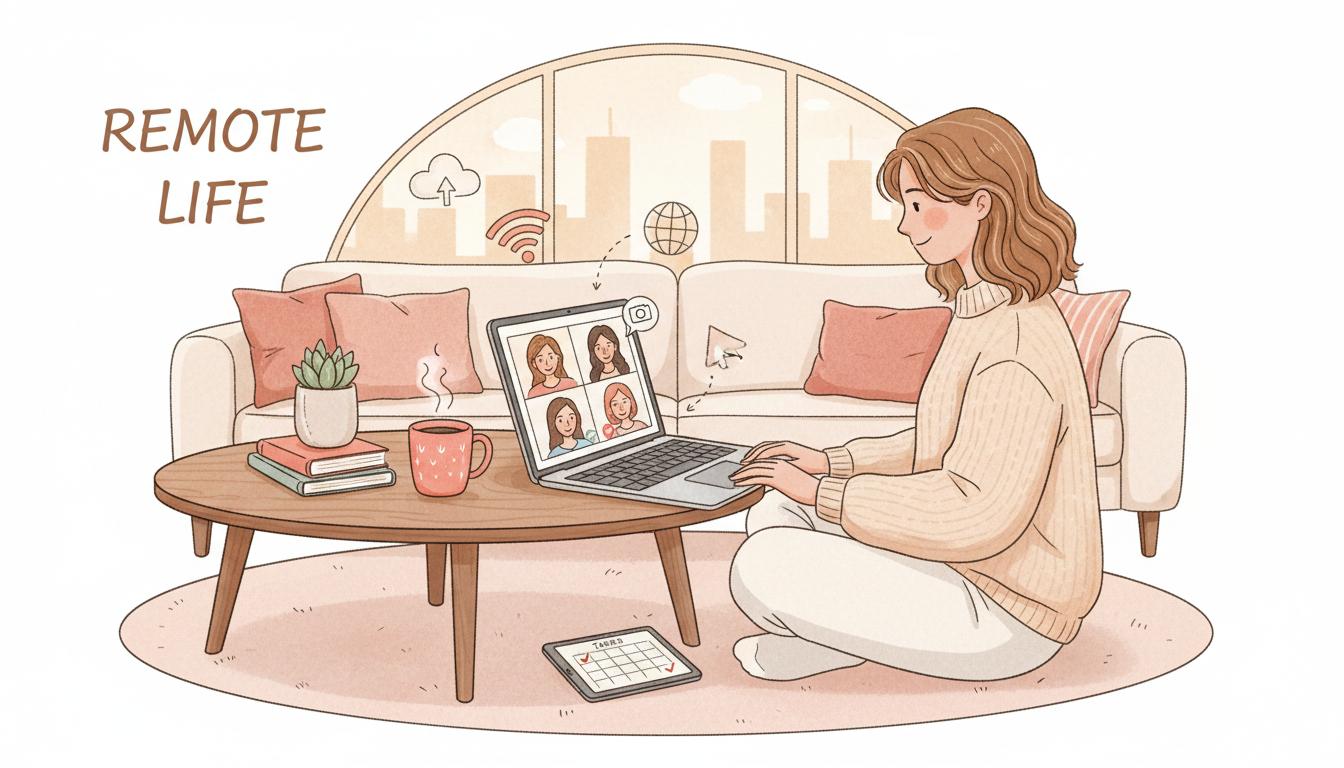
The landscape of work is changing faster than ever before. With the rise of AI, automation, and global connectivity, online jobs in 2026 look very different from just a few years ago. Here is what you need to know to stay ahead.
The Shift to "Skills-First" Hiring
Degrees are becoming less important than demonstrable skills. Companies like Google, Tesla, and IBM are looking for portfolios and practical experience over diplomas. If you can prove you can do the job, you can get hired, often without a formal interview.
Top 7 Emerging Online Career Paths for 2026
While some jobs are disappearing, others are booming. Here are the roles defining the new economy:
1. AI Prompt Engineer & Trainer
The Role: AI isn't magic; it needs guidance. Prompt engineers craft the perfect inputs to get the best outputs from large language models. Trainers help "teach" AI specific industry knowledge.
Skills Needed: Logic, linguistics, Python basics, and patience.
2. Virtual Event Architect
The Role: Zoom webinars are boring. Virtual Event Architects design immersive 3D experiences for conferences to make them engaging and interactive.
Skills Needed: VR design, community management, and event planning.
3. Digital Sustainability Officer
The Role: Every email and cloud file uses energy. These experts audit a company's digital footprint to reduce carbon emissions and optimize energy usage.
Skills Needed: Environmental science, data analytics, and cloud infrastructure.
4. Data Detective (Data Forensics)
The Role: With so much data being generated, companies need people to investigate it�find lost revenue, detect fraud, or discover hidden market trends.
Skills Needed: SQL, statistical analysis, and critical thinking.
5. Smart Home Manager
The Role: As homes become fully connected, wealthy individuals are hiring remote managers to monitor security, optimize energy, and troubleshoot their smart ecosystems.
Skills Needed: IoT networking, cybersecurity basics, and customer service.
6. Personal Brand Manager
The Role: Everyone is a media company now. Executives and freelancers hire managers to handle their LinkedIn presence, newsletters, and public image.
Skills Needed: Copywriting, social media strategy, and PR.
7. Remote Health Navigator
The Role: Navigating the healthcare system is hard. These professionals help patients understand diagnoses, schedule telehealth appointments, and manage insurance claims remotely.
Skills Needed: Medical billing knowledge, empathy, and organization.
The Gig Economy Changes Shape
Freelancing is moving upmarket. Instead of low-cost tasks, freelancers are becoming high-paid consultants. The "fractional executive" model�where a CFO or CMO works for 5 companies simultaneously�is becoming standard.
The Human Advantage: Future-Proof Skills
In a world of automation, "human" skills are the most valuable because AI cannot replicate them easily:
- Empathy and Emotional Intelligence (EQ): Crucial for leadership, sales, and customer relations.
- Creativity: AI can generate content, but humans provide the spark of original thought and connect unrelated ideas.
- Strategic Thinking: Seeing the big picture and navigating complex ethical dilemmas.
- Adaptability: The ability to unlearn old methods and relearn new ones quickly.
How to Prepare Now
- Build a Portfolio: Document your work. A website showing what you have done is worth more than a resume saying what you did.
- Micro-Credentials: Instead of a 4-year degree, stack short certifications in specific skills (e.g., Google Data Analytics Certificate).
- Network Globally: Your next boss might be in Singapore or Berlin. Engage in global online communities.
Frequently Asked Questions
Will AI replace online jobs in 2026?
AI will replace repetitive tasks but create new roles like AI Prompt Engineers and Data Detectives. The key is to focus on "human-centric" skills like creativity, strategy, and empathy.
What is the best entry-level online job in 2026?
Roles like Virtual Assistant, Community Manager, and Content Creator remain excellent entry points. However, specializing in AI tools (e.g., using ChatGPT efficiently) can fast-track your career.
Do I need a degree for future online jobs?
Increasingly, no. Companies are shifting to "skills-first" hiring. Portfolios, certifications, and proven practical ability often outweigh traditional degrees in the digital economy.
Conclusion
The future of online jobs is flexible, specialized, and human-centric. By focusing on continuous learning ("upskilling") and adapting to new technologies, you can build a resilient and rewarding career in the digital age.
Samuel is a technology educator and web strategist with 8+ years of experience helping developers, students, and creators navigate the digital world with practical, beginner-friendly guides.