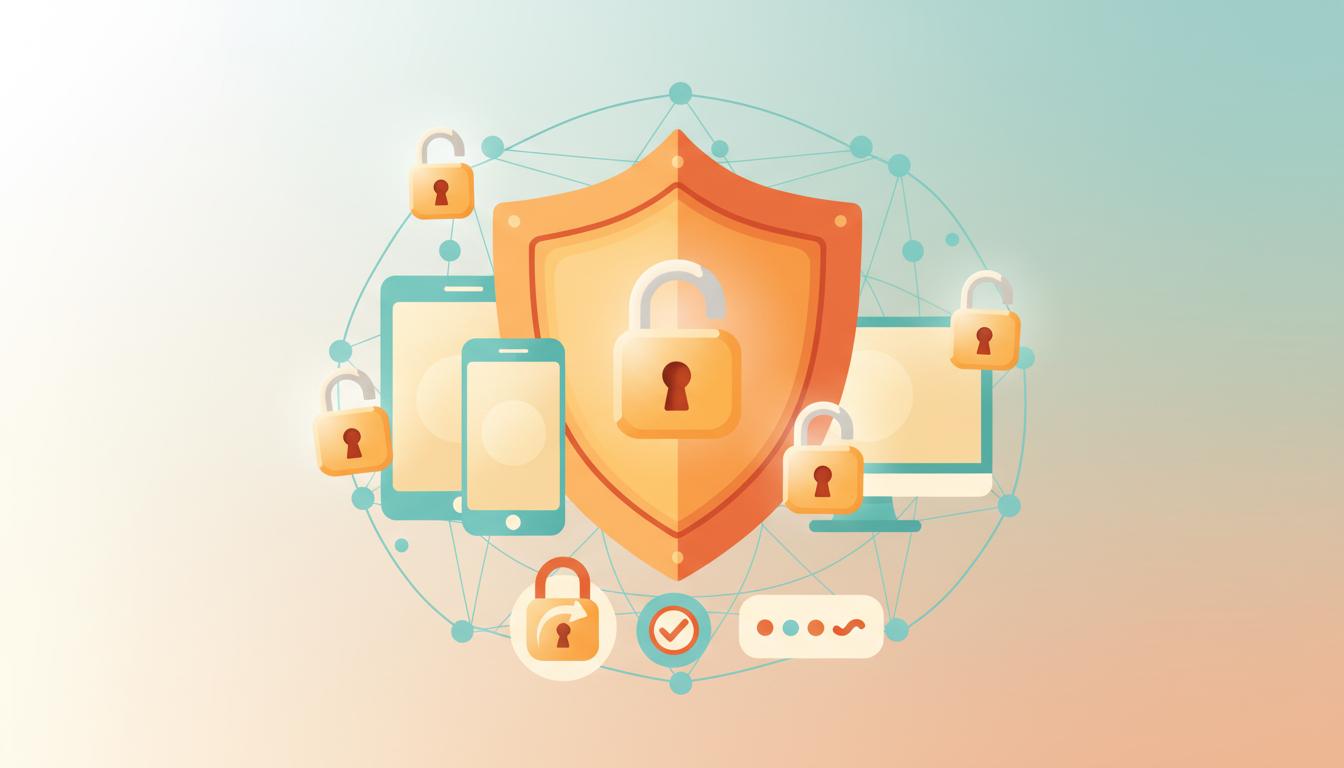
Your personal data has become one of your most valuable possessions�and one of the most frequently targeted. Every day, cybercriminals, data brokers, and malicious actors seek to access personal information for financial fraud, identity theft, and other harmful purposes.
The good news: protecting yourself doesn't require technical expertise or expensive tools. This comprehensive guide walks through practical, actionable steps anyone can take to significantly improve their online privacy and security.
Why Personal Data Protection Matters
- Financial Information: Bank accounts and credit cards can be drained.
- Identity Theft: Criminals can open accounts in your name.
- Personal Privacy: Private communications can be exposed.
Part 1: Password Security
Weak passwords remain one of the primary ways accounts get compromised. Improving password practices provides immediate protection.
Creating Strong Passwords
- Length Matters Most: A 16-character password is generally stronger than a short one with symbols.
- Passphrase Method: Create a memorable phrase of 4-5 random words.
- Avoid Personal Info: Don't include names or birthdates.
Using a Password Manager
A password manager stores all your passwords securely, requiring you to remember only one master password. Examples include Bitwarden, 1Password, and Dashlane.
Part 2: Two-Factor Authentication (2FA)
Two-factor authentication adds a second layer of protection beyond your password. Even if someone gets your password, they can't access your account without the second factor.
Types of 2FA
- Hardware Security Keys: Strongest protection (YubiKey).
- Authentication Apps: Recommended (Google Authenticator, Authy).
- SMS Text Messages: Better than nothing, but vulnerable to SIM swapping.
Part 3: Recognizing Phishing Attacks
Phishing�fraudulent attempts to trick you into revealing information�remains the most common attack method.
Red Flags to Watch For
- Urgency: "Act immediately!" or "Your account will be closed!"
- Sender Issues: Email addresses that don't match the organization.
- Link Problems: URLs that don't match the claimed destination.
Part 4: Securing Your Devices
Your physical devices store enormous amounts of personal information. Securing them is crucial.
Key Steps
- Keep Software Updated: Updates patch security vulnerabilities.
- Use Antivirus: Windows Defender or reputable third-party software.
- Lock Screen: Require password/PIN after inactivity.
- Smartphone Security: Use a 6+ digit PIN or biometrics.
Part 5: Social Media Privacy
Social media platforms collect extensive data. Review your privacy settings regularly.
- Share Less: Don't post sensitive info like travel dates or address.
- Audit Connections: Remove people you don't know or trust.
- Review Settings: Check privacy controls on Facebook, Instagram, etc.
Part 6: Safe Web Browsing
Your browsing habits reveal a lot about you. Limit exposure with these tips:
- HTTPS Everywhere: Ensure connections are encrypted.
- Ad Blockers: Use uBlock Origin to block trackers.
- VPN: Consider using a VPN on public WiFi.
Part 7: What to Do After a Data Breach
Despite precautions, breaches happen. Knowing how to respond limits damage.
- Change Passwords: Immediately change affected passwords.
- Enable 2FA: Add extra security to the account.
- Monitor Accounts: Watch for unauthorized activity.
- Consider Credit Freeze: Prevent new accounts from being opened.
Conclusion
Protecting your data online is an ongoing process, but it doesn't have to be overwhelming. Start with the basics: strong passwords, 2FA, and staying updated. As you build these habits, your digital life effectively becomes much more secure.
Samuel is a technology educator and web strategist with 8+ years of experience helping developers, students, and creators navigate the digital world with practical, beginner-friendly guides.