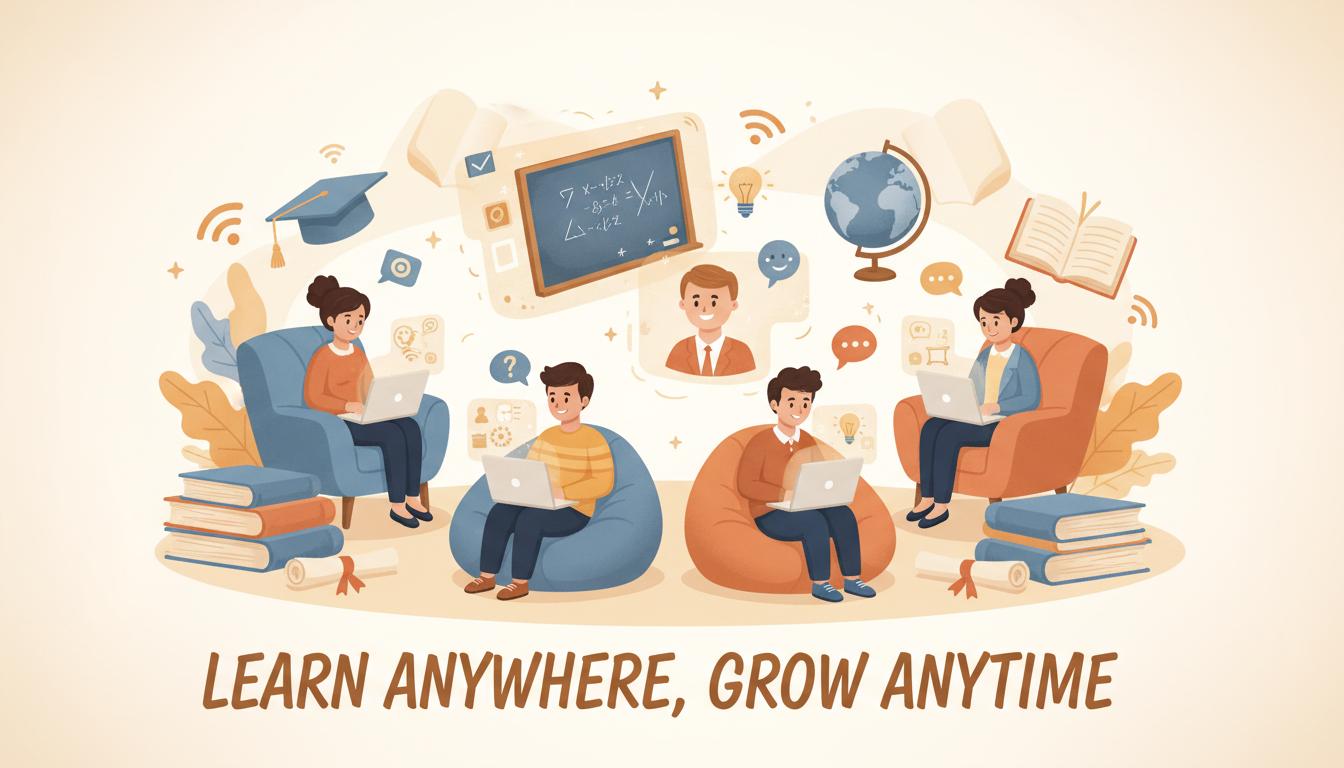
Education is undergoing a massive transformation. The chalkboard has been replaced by the smartboard, and the library is now the entire internet. But technology's impact goes far beyond just new gadgets�it's fundamentally changing how students learn, where they learn, and what they need to know to succeed.
1. The Rise of Personalized Learning (AI-Driven)
One of the biggest impacts of technology is the shift from a "one-size-fits-all" factory model to hyper-personalized learning. Adaptive learning software uses AI to analyze a student's progress in real-time.
- Custom Pace: Students act as agents of their own learning. If a student masters a concept quickly, the AI advances them. If they struggle, it provides extra practice.
- No More "Average": In a traditional class, teachers teach to the middle. Technology allows them to support the struggling student and challenge the gifted one simultaneously.
2. Immersive Learning: VR and The Metaverse
Why read about history when you can visit it? Virtual Reality (VR) and Augmented Reality (AR) are dissolving the walls of the classroom.
- Virtual Field Trips: Students can walk through the ruins of Pompeii or explore the surface of Mars.
- Medical Training: Medical students practice surgeries in VR simulation, reducing risk and increasing repetition.
- The Metaverse Campus: Universities are building "digital twin" campuses where remote students can interact socially, just like physical students.
3. Blockchain for Credentialing
The paper diploma is becoming obsolete. Blockchain technology allows for:
- Verifiable Micro-Credentials: Instead of a 4-year degree, students earn "badges" for specific skills (e.g., Python Programming, Project Management) that are instantly verifiable by employers.
- Lifelong Learning Records: A permanent, unhackable record of everything a person has learned throughout their life, not just in school.
4. The Challenge of Equity (The Digital Divide)
Technology is a powerful equalizer, but only if you have access to it. The "Digital Divide" is a major crisis.
Connectivity as a Right: In 2026, high-speed internet is as essential as electricity. Schools and governments are working to ensure every child has a device and a connection, but the gap between rich and poor districts remains a challenge.
5. New Risks: Privacy and Attention
With great power comes great responsibility. Integrating tech into schools brings new risks:
- Data Privacy: Student data is gold. Protecting it from hackers and advertisers is paramount.
- Deepfakes and Bullying: Schools must now deal with AI-generated bullying.
- The Attention Economy: Apps are designed to be addictive. Educators must teach students "Digital Wellbeing" just as they teach math.
The Future Role of the Teacher
As technology takes over content delivery (machines are great at delivering facts), the teacher's role is shifting. They are becoming:
- Mentors: guiding social-emotional growth.
- Facilitators: helping students navigate information.
- Critical Thinking Coaches: teaching students how to discern truth from algorithms.
Conclusion
Technology will never replace the human connection of a great teacher, but it is an indispensable tool. The future of education is not about "Humans vs. Machines"; it's about "Humans + Machines" working together to unlock the potential of every student.

Samuel is a technology educator and web strategist with 8+ years of experience helping developers, students, and creators navigate the digital world with practical, beginner-friendly guides.