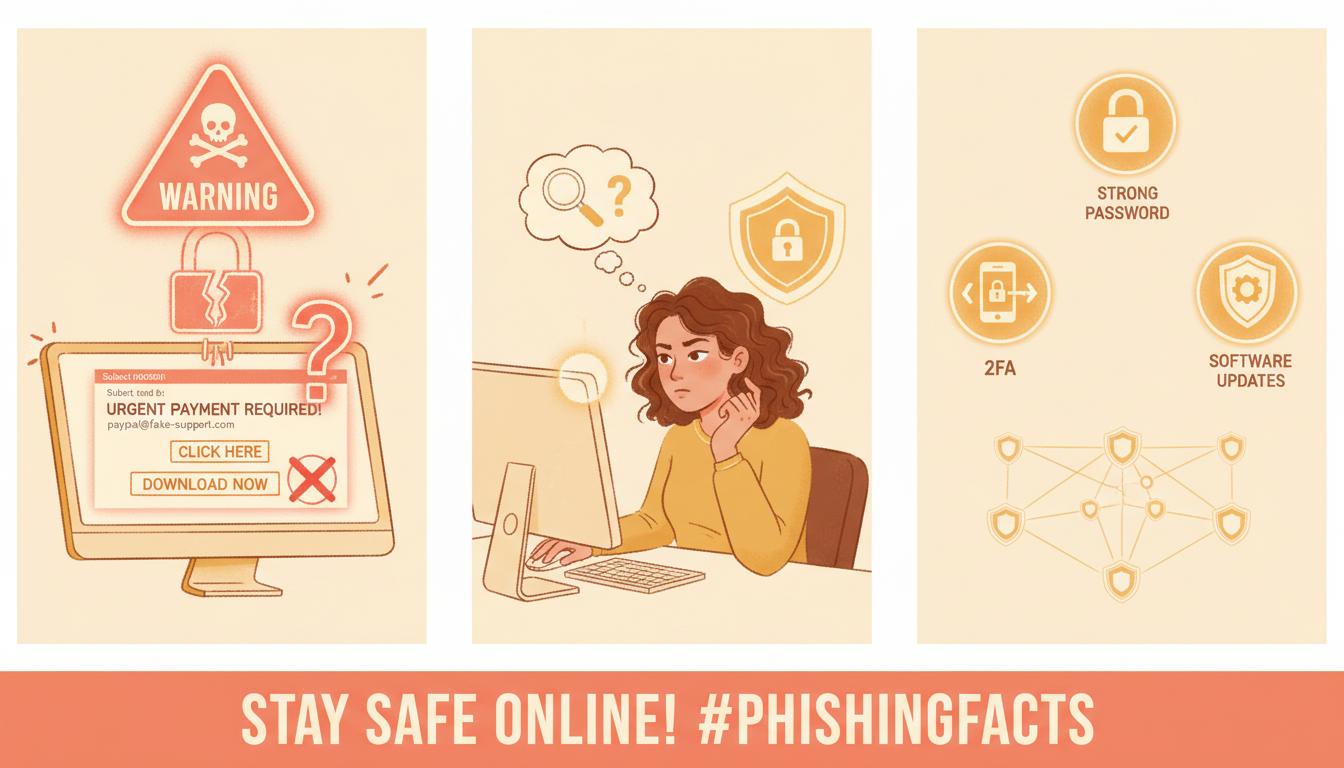
Introduction: The New Era of Digital Fraud
If you think you are "too smart" to fall for an online scam, you are exactly the demographic modern cybercriminals are targeting. For decades, the public believed that online scams were easy to spot—they were characterized by misspelled emails from "princes," blurry fake websites, and obvious pop-ups telling you that your computer was infected with a virus.
Those days are completely over.
In 2026, the integration of generative Artificial Intelligence (AI) has armed scammers with weapons of mass deception. Today, a scammer does not need to speak English perfectly or manually design a fake banking website. With a $20 AI subscription, they can perfectly recreate the voice of your own mother asking for emergency cash, instantly clone the exact layout of your bank's login portal, or generate hyper-realistic video deepfakes of CEOs announcing fake corporate giveaways.
The financial damage is staggering. Billions of dollars are being siphoned out of checking accounts, crypto wallets, and small businesses globally. The attacks are highly personalized, mathematically precise, and terrifyingly convincing.
As a digital educator, my primary goal is to ensure you navigate the internet safely. In this comprehensive, relentlessly updated guide, we will dissect the absolute most dangerous, sophisticated online scams of 2026. More importantly, I will provide you with the exact psychological and technical defense mechanisms you need to protect your family, your business, and your hard-earned money.
1. AI Voice Cloning and the "Virtual Kidnapping" Scam
This is undeniably the most terrifying evolution in modern cybercrime. It specifically preys on human emotion and sheer panic.
How it works: A scammer pulls a 15-second audio clip of your loved one’s voice from a public Instagram Reel or TikTok video. Using advanced AI software, they clone that exact voice with perfect intonation. They then spoof the caller ID so it appears that your child or spouse is calling you. When you pick up, you hear your loved one's exact voice screaming that they have been in an accident, have been arrested, or are being held hostage, begging you to immediately wire money or buy crypto to save them.
Because the voice is utterly indistinguishable from reality, and the caller ID matches, basic human panic overrides logical thinking, and victims wire the money before thinking to verify.
How to Defend Yourself Immediately:
- Establish a "Safe Word": Have a conversation with your family tonight and establish a secret family safe word. If an emergency call ever occurs, calmly ask them for the safe word. The AI program cannot hallucinate your secret word.
- Hang up and call back directly: Even if the caller ID says "Mom," hang up immediately. Dial your mother’s number manually yourself. Scammers can spoof caller IDs to make incoming calls look real, but they cannot intercept your outbound calls.
- Listen for odd cadences: While AI voices sound realistic, they often struggle with interrupting, taking natural breaths, or showing appropriate varying emotion when answering unpredictable, highly specific questions.
2. The Ultra-Personalized Spear-Phishing Attack
Phishing used to be a generic email blasted to ten million people hoping one person would click a bad link. Spear-phishing, however, uses large language models (like ChatGPT) to scrape your LinkedIn, your public Facebook posts, and your company's directory to write a perfectly tailored, flawless email to you specifically.
How it works: You might receive an urgent email from your "CEO" or "HR Director" mentioning a specific project you are actually working on, thanking you for your work on a specific date, and requesting you to review an urgent PDF attachment (which actually installs malware) or log in to a fake Microsoft 365 portal to "verify your employment status." Because the grammar is flawless and the context is frighteningly accurate, highly intelligent professionals fall for this hourly.
How to Defend Yourself:
The single most important rule of the internet in 2026 is "Trust Nothing, Verify Everything."
- Never click links in urgent emails: If American Express emails you about "suspicious activity," do not click the link in the email. Open a brand new browser tab, manually type in americanexpress.com, and check your alerts there.
- Check the literal sender address: A scammer can change their display name to "Apple Support," but if you click the name to reveal the actual email address, it will likely read something bizarre like support@apple-verify-secure123.com instead of support@apple.com.
- Implement FIDO2 Physical Security Keys: SMS text message two-factor authentication (2FA) is increasingly vulnerable to SIM-swapping. Transition to app-based authenticators (like Google Authenticator) or, better yet, physical USB security keys (like YubiKey) for your most sensitive accounts.
3. The Cryptocromance "Pig Butchering" Scam
This is highly organized, long-con financial fraud that originated overseas but has completely dominated global scam networks. It is a fusion of a devastating romance scam and a fake cryptocurrency investment scheme.
How it works: It usually begins with an "accidental" text message (e.g., "Hi John, are we still playing golf today?"). When you politely reply they have the wrong number, the scammer (often extremely attractive in their stolen profile photos) strikes up a friendly conversation. Over several weeks or even months, they build deep, emotional trust with you. Eventually, they causally mention how much money they are making trading a "new, exclusive cryptocurrency." They show you fake screenshots of their massive wealth.
They invite you to invest a small amount (like $500) on a fake exchange website that they control. Initially, the fake site shows you making massive profits, and they even let you withdraw some money to build total trust. Eager, you wire your life savings. The moment you try to withdraw the large sum, the website vanishes, the "friend" blocks you, and your money is permanently gone, lost on the blockchain.
How to Spot the "Pig Butchering" Red Flags:
- The immediate pivot to WhatsApp/Telegram: Scammers always try to move conversations off heavily monitored dating apps or SMS networks and onto encrypted apps where they cannot be banned.
- Unsolicited investment advice from strangers: Real, wealthy people do not casually offer guaranteed, risk-free stock or crypto alerts to people they just romantically met online. Period.
- Refusal to Video Chat: They will always have dramatic, endless excuses for why their camera is broken or why they cannot physically meet you or do a live FaceTime call.
4. The Fake E-Commerce Store & Drop-Shipping Fraud
With tools like Shopify, launching an e-commerce store takes less than twenty minutes. Criminal syndicates take advantage of this by creating thousands of gorgeous, highly polished "stores" that sell high-end electronics, power tools, or designer sneakers at absurd 80% discounts.
How it works: They run aggressive, high-budget ads on Facebook, TikTok, and Instagram showing viral videos of a product. You click the link, and the website looks incredibly legitimate, complete with five-star reviews, countdown timers ("Only 2 left in stock!"), and SSL padlocks. You enter your credit card information. Best case scenario? You receive a cheap, $2 counterfeit knockoff from overseas three months later. Worst case? You receive absolutely nothing, and your credit card data is immediately sold on the dark web.
How to Shop Safely Online:
- If it is too good to be true, it is fraud: A brand new PS6 or an authentic DeWalt drill will never, ever legitimately sell for an 80% discount on a random website you've never heard of. Retail margins do not physically allow for that.
- Use virtual credit cards: Never type your primary debit card directly into an unknown website. Debit cards are linked directly to your actual checking account cash. Use a credit card (which offers massive fraud protection chargebacks), PayPal, Apple Pay, or a service like Privacy.com that generates temporary, single-use card numbers.
- Check the domain age: Use a free "WHOIS" lookup tool to see when the website was registered. If the website claims to be a massive, trusted business but the domain name was registered 14 days ago in a foreign country, it is a scam run.
Frequently Asked Questions (FAQs)
What should I do if I clicked a suspicious link?
Do not panic. Merely clicking a link usually doesn't instantly infect modern, updated devices. However, if you typed any passwords or credit card numbers into the resulting page, immediately call your bank to freeze the card, and quickly change strings of passwords on your important accounts (email, bank) using a trusted device.
How do I know if a website is safe before buying anything?
Look for genuine contact information. Real businesses list physical addresses, real phone numbers, and have active, verifiable social media footprints stretching back for years. A scam site usually only has a generic "Contact Us" web form and an email address that doesn't match the company name.
Will banks refund money lost to scams?
It depends heavily on the method of payment. If you paid via a Credit Card, you are legally protected by federal law and can usually initiate a chargeback for fraud. If you voluntarily wired money via Western Union, Zelle, CashApp, or sent Cryptocurrency, that money is effectively gone forever. Banks categorize wire transfers as "authorized push payments" and rarely refund the loss when you authorized the sending, even if you were deceived.
Conclusion
The speed at which online scams are evolving is breathtaking. AI has irreversibly changed the threat landscape, transforming fraud from obvious Nigerian Prince emails into hyper-personalized, emotionally devastating "Virtual Kidnappings."
Your ultimate defense is no longer simply installing antivirus software; it is fundamentally altering how you interact with digital information. Assume every urgent request for money, every password verification link, and every unbelievable online discount is an attack until you aggressively prove otherwise.
Educate your parents, protect your children, implement physical two-factor authentication, and remember: absolute paranoia is the cheapest and most effective cybersecurity insurance you can ever buy in 2026.

Samuel is a cybersecurity and digital education expert, dedicated to teaching the world how to navigate the internet safely, legally, and profitably without falling victim to modern digital threats.